East Bay
Berkeley character, Oakland variety, and hillside homes with stories below the surface.
Overview
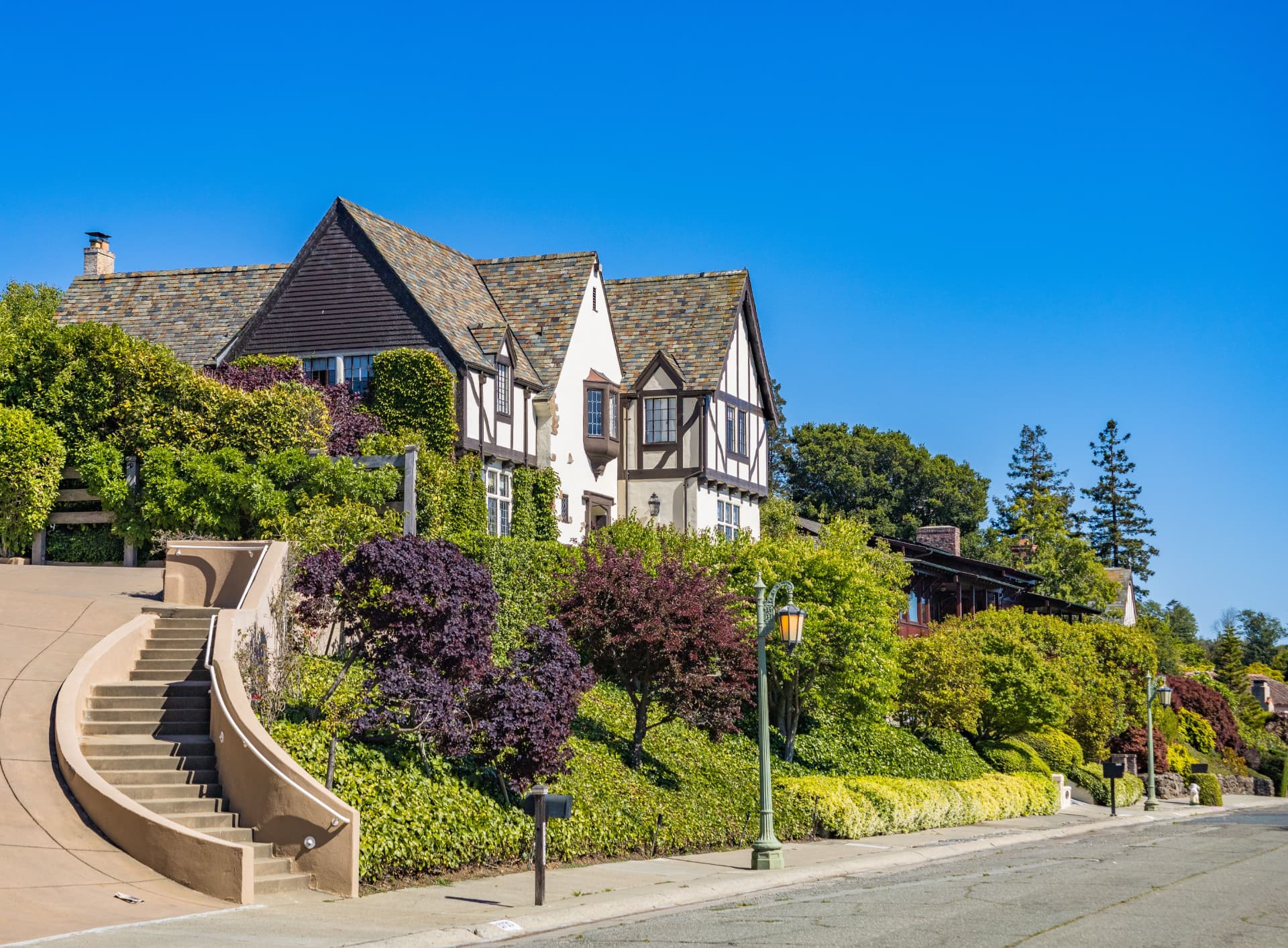
From Berkeley and Oakland to El Cerrito, Albany, Kensington, and nearby communities, the inner East Bay combines exceptional architecture with block-by-block variation. Older homes, hillside conditions, seismic history, and local permitting all deserve careful attention alongside location and design.
East Bay Market Snapshot
November 2026East Bay Market Snapshot: Pragmatic Pricing Across Varied Neighborhoods
November brings expected seasonal deceleration, but buyer selectivity is the true driver across the East Bay right now. Pricing remains hyper-local, heavily dictated by school districts, elevation, transit proximity, and overall property upkeep. While turnkey homes in prime Berkeley and Oakland enclaves still draw motivated interest, buyers are being far more analytical regarding deferred maintenance and true build quality before committing.
The housing stock here is wonderfully diverse—ranging from Berkeley brown-shingle residences and Craftsman bungalows to hillside mid-centuries and postwar ranches. However, decades of piecemeal expansions across prior generations mean that two homes with identical square footage can present radically different ownership costs. Clean, well-maintained properties are holding value, while homes needing substantial structural or mechanical updates are seeing buyers adjust offers accordingly.
- Piecemeal remodels: Multi-generational additions and older unpermitted work require careful review of drainage, wiring, and foundations.
- Micro-market divergence: Proximity to transit corridors and top-rated school zones continues to keep premium neighborhoods insulated from broader dips.
- Substance over staging: Buyers are discounting cosmetic flips that fail to address major systems like roofs, sewer laterals, and electrical panels.
This is a directional market read, not an appraisal or CMA. Ranges reflect typical patterns for the area, not this month's live MLS figures.
Get next month's read, first.
One short email each month with what's actually moving in East Bay — no spam, unsubscribe anytime.
What Buyers Should Know
Seismic history and foundations
Much of the housing stock predates modern seismic standards. Foundation type, bolting, cripple-wall bracing, soft-story conditions, and the quality of later retrofit work should be understood before contingencies are removed.
Hillsides, drainage, and retaining walls
In the Berkeley and Oakland hills, slope drainage, retaining walls, vegetation, and signs of soil movement matter as much as the house itself. Buyers should involve the appropriate drainage, structural, or geotechnical specialists when site conditions warrant it.
Older systems and layered remodels
Original electrical, galvanized or aging drain lines, older roofs, and additions from different eras are common. Permit records and specialist evaluations help separate well-executed improvements from cosmetic updates that conceal deferred work.
Buyer Watch-Outs
- Incomplete seismic retrofits or foundations that predate modern standards
- Hillside drainage, retaining walls, and vegetation management without clear maintenance history
- Converted garages, lower-level rooms, decks, and additions without documented permits
Seller Angles
- Documented seismic work and foundation upgrades can materially reduce buyer uncertainty
- Organized permit records and receipts help explain a home's renovation history
- Addressing drainage, sewer, roof, and electrical questions before launch supports a cleaner offer process
Thinking about buying or selling in East Bay?
Start with a structural read, not a sales pitch.