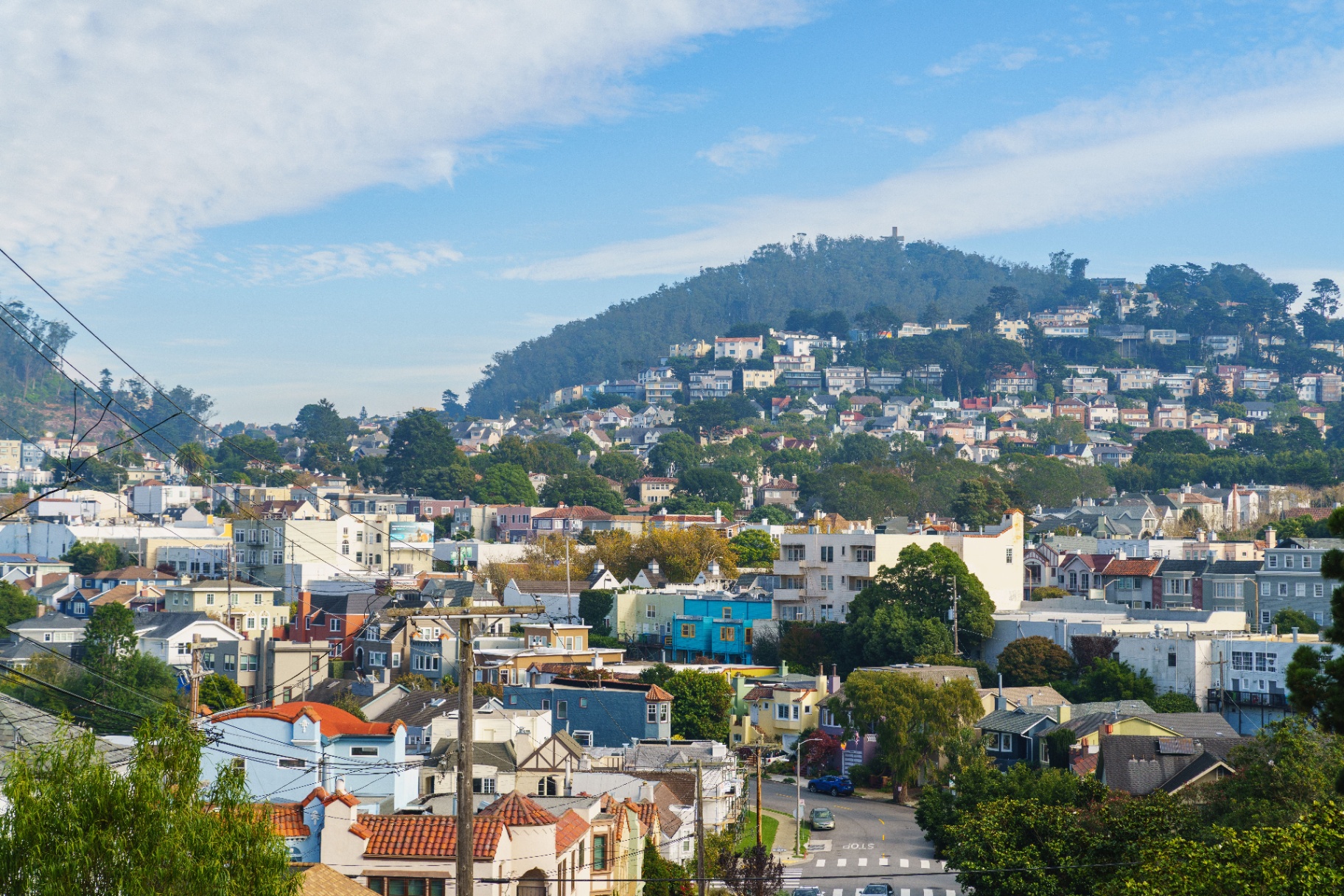
San Francisco
Every era of the city stacked on the same block — read each one carefully.
Overview
San Francisco is a technical puzzle disguised as a real estate market. Pre-1906 Victorians, post-quake Edwardians, 1920s marina flats, mid-century towers, and modern SoMa builds — each carries its own inspection profile, its own seismic story, and its own permit history to reconcile.
Inspector's Notes
Seismic retrofit status
The Soft Story Ordinance affects thousands of buildings. For any pre-1978 wood-frame building with tuck-under parking or a soft ground floor, verify retrofit compliance before writing an offer — the paperwork trail matters as much as the bolts.
Sewer laterals
SF's Sewer Lateral Ordinance requires compliance at transfer. Older clay and cast-iron laterals frequently fail scope. A camera inspection before contingency removal is non-negotiable — repair costs can run $10K–$30K+.
Foundation era & type
Pre-1906 brick and rubble foundations, 1920s unreinforced concrete, and modern shear-wall retrofits all behave differently in a quake. Understand which one you're buying and whether it's been upgraded — the answer changes both insurance and future cost.
Buyer Watch-Outs
- Soft-story buildings without documented retrofit compliance
- Sewer laterals never scoped or upgraded to current SF spec
- Unpermitted in-law units, decks, and additions — very common, and a material risk at transfer
Seller Angles
- Pre-listing sewer lateral compliance removes the single most common SF escrow headache
- Documented seismic retrofit is a real value story, not a footnote
- Reconciling permit history for past work protects your price when the buyer's inspector digs in
Thinking about buying or selling in San Francisco?
Start with a structural read, not a sales pitch.